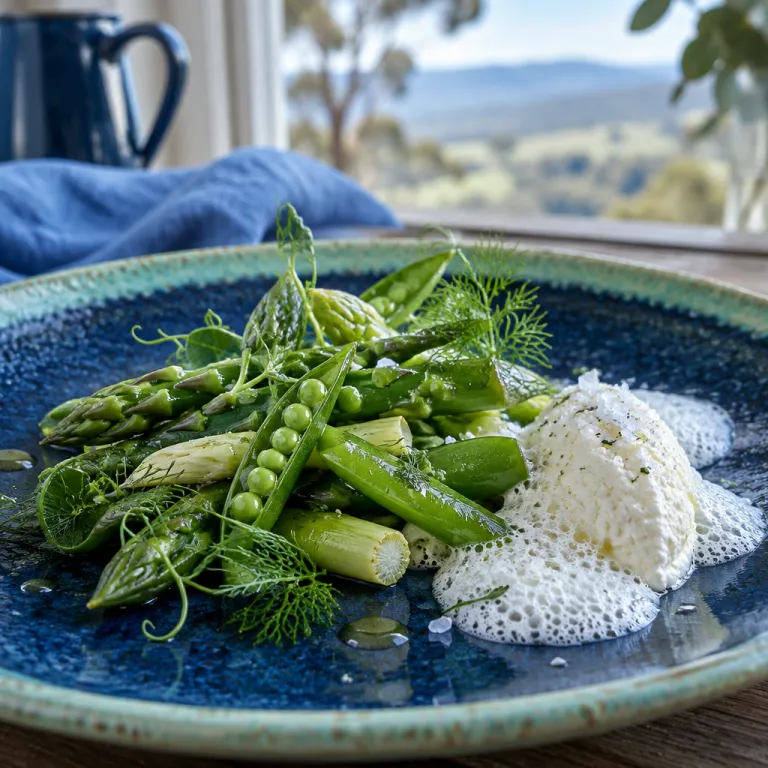
Why Adelaide Hills spring changes the menu before the signage
Spring in the Adelaide Hills starts in the orchards and the market garden rows, not in a marketing meeting. As blossom appears across south Australia’s cool climate slopes, the first crates leaving a farm in the upper hills will often be on a kitchen bench in adelaide by late afternoon, ready to reset a dining room’s sense of season overnight. For couples planning a stay through a luxury and premium hotel booking website in Adelaide Hills, this proximity means Adelaide Hills farm to table dining is not a slogan but a live connection between producers, chefs and guests.
In this region of south australia, chefs can head out before service, walk a few hundred metres past cellar doors and talk directly with local growers about what is genuinely ready that week. That immediacy shapes the entire food experience, because a kitchen can move from late winter roots to first spears of asparagus or tender broad beans in the time it takes to rewrite a chalkboard and brief the floor team. When you book a room with a strong culinary focus, you are effectively reserving a front row seat at the farm table, where the menu will change as quickly as the weather rolling over the hills.
For travellers used to static hotel menus, this can feel like a gift, because every stay becomes a different experience rather than a repeat performance. Couples who share a curiosity for regional food will notice that even the same dish name can shift subtly from night to night as the adelaide hills supply chain moves through spring. That is the quiet luxury of Adelaide Hills farm to table dining in a working agricultural landscape, where people, producers and kitchens operate on farm time rather than on a quarterly menu cycle.
What lands first in spring and how it reaches your plate
The first real sign of spring on the plate in the Adelaide Hills is often a handful of herbs or baby leaves, cut from a farm just after sunrise and on a table by lunch. Soon after, cool climate growers across south australia start sending in early asparagus, snow peas, radishes and the first fragile flowers that chefs use to lift both flavour and texture in Adelaide Hills farm to table dining. In a region where cellar doors sit beside orchards, the line between vineyard, farm and kitchen is short enough that the day’s picking schedule can rewrite the evening’s tasting menu.
Luxury properties that take food seriously will usually have a head chef who can name the local producers behind each element on the plate. You might see a simple salad of shaved fennel, citrus and herbs that changes week by week, because the farm table supply shifts from one grower to another as different hills microclimates warm up. When you read a menu in adelaide hills and see the same ingredient listed from multiple farms over time, that is a sign the kitchen is tracking the season rather than relying on a single wholesale supplier.
Wine follows the same logic, especially in a cool climate region where acidity and freshness are prized. Many cellar doors now align their by the glass lists with what is happening in the kitchen, so a bright Riesling or textured Chardonnay will be poured when the food leans into spring vegetables and lighter sauces. If you are planning a romantic weekend, look for hotels that highlight producer names rather than generic descriptions, because that detail signals a deeper commitment to the farm, the region and to Adelaide Hills farm to table dining as a long term philosophy rather than a passing trend.
For a deeper look at how growers shape the sparkling wine scene here, read the guide to Méthode Traditionnelle in the Hills, which shows how south Australia’s cool climate vineyards and cellar doors are redefining what australian fizz can be alongside seasonal food.
Designing a couple’s food weekend around the spring shift
Planning a spring escape built around Adelaide Hills farm to table dining works best when you pace your days like a long, generous meal. Start with a late morning cellar door visit, where a relaxed tasting and a shared plate lunch give you time to understand how the cool climate wines frame the region’s food. Then head back to your hotel for a slow afternoon, because the most memorable experiences often happen when you arrive at dinner rested, hungry and ready to let the kitchen lead.
Many luxury properties in adelaide hills now curate stay packages that weave together farm visits, cellar doors and destination dinners over two or three nights. A typical pattern might be a casual first evening at the in house restaurant, where the kitchen introduces you to local producers through a shorter menu, followed by a second night at a more elaborate farm table style dining room that rebuilds its courses around whatever the farm has sent that day. This rhythm lets people enjoy both the comfort of eating in and the thrill of heading out to a restaurant that treats spring as a creative brief rather than a constraint.
When you book through a specialist luxury and premium hotel booking website in Adelaide Hills, pay attention to how each property talks about food and time. Do they mention seasonal tours, chef led garden walks or the chance to share a glass with the winemaker after service, or do they simply list opening hours and a generic menu. For evenings when you want the region to stretch beyond the plate, the guide to Adelaide Hills evenings that justify the overnight stay is a useful companion, helping you align late dinners, bar experiences and night time walks with your chosen hotel.
How to read a menu and spot genuine seasonal cooking
Not every restaurant in south australia that uses the word seasonal is working at the same level of commitment, so it pays to read menus with a curious eye. In a true Adelaide Hills farm to table dining setting, you will often see dishes described by farm name, producer or even by the specific block on a hillside, because the kitchen wants to share exactly where the food has come from. Static menus that barely change between seasons, or that list strawberries and tomatoes at the same time as late winter brassicas, usually signal a looser relationship with the surrounding farm landscape.
Look for small, frequent edits rather than dramatic overhauls, because that is how a kitchen responds to the real pace of the hills. A chef might keep a signature dish on the menu but rotate the garnish and vegetables every week, reflecting which local producers have the best of something at that moment in time. When staff can confidently talk you through those changes, explaining why one farm’s asparagus has just replaced another’s or why a certain cheese only appears for a short window, you are seeing Adelaide Hills farm to table dining in honest motion.
Another sign is how the restaurant handles scarcity, especially in a cool climate region where weather can quickly change what is available. If the team tells you a particular item has sold out because the farm only had a small pick that day, take it as a positive rather than a frustration, because it shows the kitchen is not stretching beyond what the land can give. For couples who value authenticity, these details are part of the experience, turning a simple meal into a shared story about south australia, the hills and the people who work the soil.
For more context on how food experiences sit alongside outdoor pursuits and wine focused adventures, the article on adventure and leisure activities for discerning travellers shows how to balance long lunches with time on the trails or in the vines.
Booking strategies: securing the right table at the right time
Spring is when Adelaide Hills farm to table dining is at its most expressive, which also means it is when the best tables go first. Couples using a luxury and premium hotel booking website in Adelaide Hills should treat restaurant reservations as seriously as room categories, especially if they want to align their stay with a particular farm table experience. Many of the most sought after kitchens are small by design, because they want to keep a close relationship between the head chef, the producers and the guests, so capacity across the hills can feel tight.
The smartest approach is to plan your food itinerary at the same time as you choose your hotel, rather than leaving it until you arrive in south australia. Start by asking your preferred property which local producers they work with and whether they can arrange a tour of a nearby farm, vineyard or kitchen garden during your stay, because these experiences often need to be booked well in advance. Then secure at least one long lunch at a cellar door restaurant and one more intimate dinner that showcases the full Adelaide Hills farm to table dining philosophy, giving you two very different but complementary views of the region.
Flexibility with time also helps, especially in a cool climate region where long daylight hours make late lunches and early dinners equally appealing. If a prime Saturday night table is not available, consider a Friday evening arrival or a Sunday lunch, when the pace can be gentler and the kitchen may have more room to share stories about the farm, the hills and the people behind each plate. Treat every confirmed reservation as a gift that ties your trip directly to the rhythms of south australia’s most expressive food landscape, and you will leave with a deeper sense of how closely this region’s kitchens are wired to the land.
FAQ
What makes Adelaide Hills farm to table dining different from other regions
The Adelaide Hills sit close to both adelaide and a dense network of farms, orchards and vineyards, so produce can move from soil to kitchen within hours. This proximity, combined with a cool climate that favours delicate flavours and high natural acidity in wine, allows chefs to change menus quickly as spring ingredients appear. For travellers, that means a stay in the hills often includes meals that reflect exactly what local producers are harvesting that week.
How far in advance should I book spring restaurant reservations
For the most in demand farm table and cellar door restaurants, aim to book several weeks ahead, especially for Friday and Saturday evenings. Smaller dining rooms that work closely with local producers often have limited seating, so early planning gives you more choice of time and menu style. If you are booking a luxury hotel, ask the concierge to coordinate key reservations at the same time as your room.
Can I visit farms or producers during a weekend stay
Many farms, vineyards and artisan producers in the Adelaide Hills welcome visitors through structured tours, tastings or open days. Some luxury properties partner with specific local producers to offer guided walks, behind the scenes kitchen garden visits or private tastings at nearby cellar doors. Always check availability in advance, as working farms operate on seasonal schedules and may limit access during busy periods.
How can I tell if a hotel restaurant really uses local ingredients
Genuinely local focused kitchens usually name producers on the menu, change dishes regularly and can explain where each key ingredient comes from. Staff should be able to talk confidently about nearby farms, the hills microclimate and how the season is shaping what appears on the plate. If the menu rarely changes or lists out of season items, the connection to local suppliers is likely weaker.
Is spring weather suitable for outdoor dining in the Adelaide Hills
Spring in the Adelaide Hills brings mild days and cooler evenings, which suits long lunches on terraces and verandas overlooking vineyards or farms. Because it is a cool climate region, temperatures can shift quickly, so layered clothing and flexible plans help you enjoy both outdoor and indoor spaces. Many restaurants and cellar doors offer covered decks or glass walled rooms that keep you close to the landscape while staying comfortable.
References
South Australian Tourism Commission ; Tourism Australia ; Visit Adelaide Hills