What an Adelaide Hills eco lodge really is when it is off grid
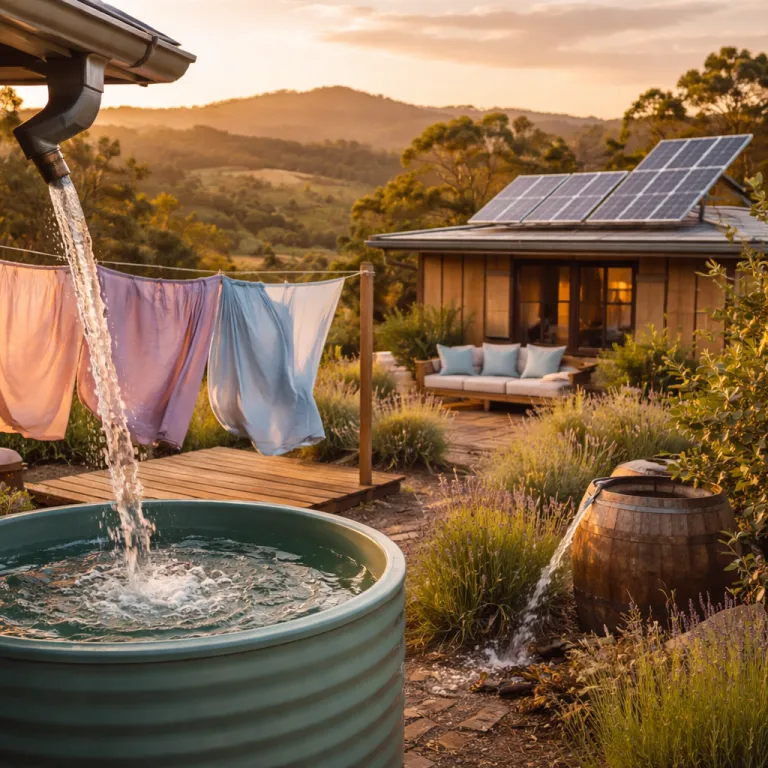
In the Adelaide Hills, an authentic eco lodge is defined by systems, not slogans. Off grid or semi off grid here usually means solar photovoltaic panels with battery storage, rainwater tanks sized for long dry spells, and on site greywater treatment that keeps creeks clear while still allowing guests to shower comfortably. The most thoughtful operators in South Australia also build with local stone and timber, so your suite feels rooted in the Hills landscape rather than flown in from a generic luxury catalogue.
Across this elevated country east of Adelaide, eco accommodation ranges from vineyard cabins to secluded lodge retreats. One compact lodge, for example, combines solar panels, efficient appliances and rainwater harvesting, and the team is explicit that their goal is to reduce environmental impact while still offering a refined guest experience. A small cluster of South Australian properties now share information on energy and water use, a crucial signal for solo travellers who want more than a marketing line about a vague Hills adventure.
For a solo explorer, the question is how much comfort you are willing to trade for footprint. In most Adelaide Hills eco lodge stays, you will still have a generous lounge, high quality bedding and a private bathroom, but you may be asked to time long hot showers or accept ceiling fans instead of constant air conditioning. That trade off feels minor when you wake to kookaburras, sip coffee on a verandah looking towards Mount Lofty, and know that your accommodation is powered by the same sun that is warming the vineyards below.
Three Adelaide Hills lodges that publish their sustainability numbers
Only a handful of Adelaide Hills eco lodge operators currently publish hard data on energy, water and waste, and they deserve priority in any serious booking short list. Sequoia Lodge above Mount Lofty, Simon Tolley Lodge in Woodside and a small eco retreat near Aldgate each share clear information about solar generation, rainwater use and waste handling, which sets them apart from many South Australian competitors. These numbers matter because they turn a vague sustainability claim into a measurable experience for lodge guests who care about their impact.
At Sequoia Lodge, an adults only luxury lodge overlooking the wider Adelaide Hills, management outlines how much power is drawn from on site solar versus the grid and explains how hot pools and the day spa are balanced with energy efficient systems. Recent on site figures indicate that in sunny months more than half of total electricity demand can be met by rooftop solar, with battery storage smoothing evening peaks, and a manager notes that “guests can see daily kWh production on our lobby display, so the data is part of the stay rather than hidden in a back office.” Simon Tolley Lodge, set among vines, describes its rainwater collection and how greywater is treated before it returns to the Hills soil, while the Aldgate retreat shares average daily energy use per suite so guests can see the effect of their own habits.
This level of transparency aligns with the broader South Australia tourism focus on sustainable lodges in Australia for an elegant Adelaide Hills escape, where credible operators show their workings. Koala Lodge and Templewood House, both in the Adelaide Hills region, are moving in the same direction with semi off grid systems and sustainable building materials, even if their reporting is still evolving. For a solo traveller, that means you can choose between a vineyard suite, a forest lodge or a heritage farmhouse and still align with your values, especially when you compare options using concrete data such as the percentage of power from renewables or the volume of rainwater storage per guest night.
Reading past the greenwashing in Adelaide Hills luxury marketing
Not every Adelaide Hills eco lodge that talks about sustainability is doing the hard work behind the scenes. Some properties in Adelaide and the surrounding Hills use phrases like eco friendly or green retreat in their brochures but offer no data on solar capacity, water use or waste, which should be a red flag for any solo traveller booking from the Adelaide CBD. When a lodge leans heavily on images of gum trees and recycled paper menus but cannot explain its systems, you are looking at marketing, not measurable impact.
Start by checking whether the lodge publishes even basic data, such as the percentage of power from solar panels or the volume of rainwater storage, and whether those numbers are updated at least seasonally. Properties that are serious about sustainability will often mention their partners, such as local tourism boards or environmental organisations, and they will be comfortable answering detailed questions about greywater treatment or building materials. If you need a framework for this kind of assessment, guides on how to read past the press images in an Adelaide Hills hotel review can sharpen your eye before you commit to a non refundable suite, and you can apply the same checklist to eco accommodation in other South Australian regions.
Greenwashing tends to show up most clearly in the gap between the promise and the on site experience. You might arrive to find a so called eco lodge with always on climate control, no visible recycling and no explanation of where the water in your hot pools comes from. As a solo explorer, you have the freedom to walk away next time and instead reward the operators who publish their numbers and treat sustainability as a core part of the guest experience, not just a decorative line on the website, so your Adelaide Hills adventure feels grounded in evidence rather than empty claims.
What it feels like to stay in a data honest Adelaide Hills eco lodge
A night in a genuinely sustainable Adelaide Hills eco lodge feels quietly luxurious rather than hair shirt. You might arrive from the Adelaide CBD via a winding Hills adventure route, step into a small lounge scented with local eucalyptus and see a simple dashboard or printed summary showing how much solar power the lodge has generated that day. That immediate transparency sets the tone, inviting guests into the systems that support their stay instead of hiding the machinery behind evasive language, and one recent solo traveller described the experience as “like staying inside a working case study in low impact design.”
Comfort is rarely compromised in the ways that matter most to a solo traveller who values both rest and refinement. At Sequoia Lodge, for instance, suites are oriented to capture winter sun and cross ventilation, so you often need less mechanical heating or cooling, while the hot pools are timed and insulated to minimise energy loss without feeling austere. In vineyard stays such as Simon Tolley Lodge, you might be asked to avoid long showers during very dry periods, but you will still wake to a generous breakfast, fine local coffee and the sense that your accommodation is part of a living South Australian landscape rather than an isolated resort.
Daily rhythms in these lodges tend to follow the light and the land. Morning might mean a self guided adventure trail through nearby bush, an unhurried breakfast on a verandah overlooking the Hills and perhaps a cellar door visit rather than a rushed tasting flight. Evening often brings quiet reading in the lounge, a glass of South Australian wine and the soft hum of batteries charging for the night, a reminder that your luxury is powered by the same systems that keep the property low impact and that every kWh and litre of water has been consciously accounted for.
How Adelaide Hills eco lodges compare with other Australian regions
Within Australia, the Adelaide Hills eco lodge cluster is smaller than the scenes in Tasmania or Margaret River, but it is no less serious. What distinguishes the Hills is the way off grid or semi off grid systems sit within an already established culture of fine dining, cool climate wine and heritage villages such as Hahndorf. You can spend the day walking from a data honest lodge to a cellar door, then return to a suite that feels as refined as any city hotel while still running largely on solar and rainwater.
Compared with Tasmanian wilderness retreats, Adelaide Hills properties tend to be closer to urban life, with Adelaide less than an hour away and Kangaroo Island reachable as a longer side trip for lodge guests who want a deeper immersion in South Australian nature. That proximity means you can combine a stay at Sequoia Lodge or a Hills eco retreat with a night at a city property, or even with a Barossa retreat such as The Louise, creating a multi region itinerary that still respects your sustainability priorities. Across these regions, the most credible operators share a common trait, which is a willingness to publish energy and water data and to explain any limits on hot water or climate control as part of the guest experience.
For solo travellers, the Adelaide Hills offer a particularly elegant balance between access and escape. You can enjoy a day spa treatment at Mount Lofty House, a tasting menu at the Hardy Verandah Restaurant or another verandah restaurant nearby, then retreat to an eco focused lodge where the stars feel close and the grid feels far away. In a market where sustainable luxury is often a hollow phrase, this region stands out as one of the best South Australian stories for travellers who want proof that their accommodation is doing the work the brochures promise.
FAQ
What amenities can I expect at an Adelaide Hills eco lodge
Amenities at an Adelaide Hills eco lodge typically include solar power, rainwater systems and access to nature trails, while still offering comfortable beds and private bathrooms. Many lodges provide high quality breakfast provisions, local coffee and thoughtful lounge spaces designed for reading or working. Some properties, such as Sequoia Lodge, also offer hot pools or a day spa, with clear explanations of how these are managed within their energy systems.
Are Adelaide Hills eco lodges suitable for solo travelers
Adelaide Hills eco lodges work very well for solo travellers who value quiet, nature and design. Adults only properties such as Sequoia Lodge offer a calm atmosphere, while smaller places like Koala Lodge or Templewood House provide privacy and easy access to walking trails. You can balance solitude with nearby dining in Hahndorf or at the Hardy Verandah Restaurant, then return to a peaceful suite each night.
How far are Adelaide Hills eco lodges from Adelaide CBD
Most Adelaide Hills eco lodges sit between 20 and 35 kilometres from the Adelaide CBD, which usually means a drive of 30 to 45 minutes depending on traffic and your exact lodge location. Properties near Mount Lofty or Aldgate are closest, while vineyard lodges around Woodside or heritage houses on working farms can take slightly longer to reach. This proximity makes it easy to combine city time with a low impact Hills adventure in a single trip.
How can I book a stay at an Adelaide Hills eco lodge
You can book an Adelaide Hills eco lodge directly through each lodge website or via reputable local tourism platforms that specialise in South Australian accommodation. Direct booking often gives you clearer access to sustainability information, including any published energy or water data and specific details about your suite. For peak seasons, it is wise to reserve well in advance, especially at smaller lodges with only a few rooms.
Are Adelaide Hills eco lodges suitable for families as well as adults
Many Adelaide Hills eco lodges welcome families, offering multi room accommodation and easy access to nature based experiences, while some, such as Sequoia Lodge, are adults only by design. If you are travelling with children, look for properties that mention family friendly facilities and clear safety information around water tanks or hot pools. Solo travellers who prefer a quieter environment may choose adults only lodges, while families can opt for vineyard houses or farm stays that balance sustainability with space to roam.