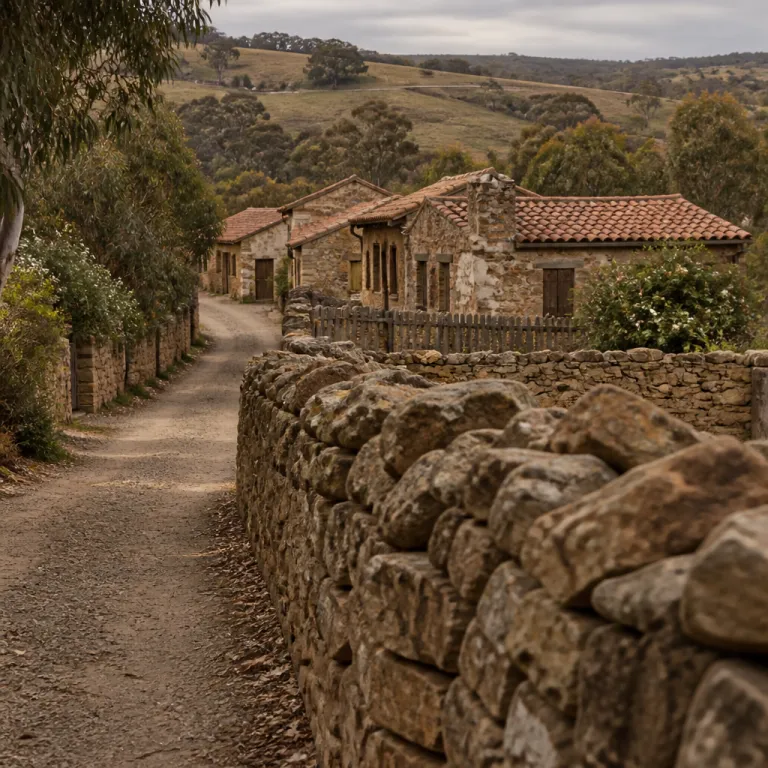
Adelaide Hills heritage villages beyond the obvious
Most visitors arrive in the Adelaide Hills expecting only cellar doors and postcard vineyards. Yet the real depth of Adelaide Hills heritage villages lies in stone hamlets where the main street still works as a community spine, not a stage set for tour buses. For a solo traveler, this quieter side of south Australia offers space to walk, taste wine and read the layers of history in every wall.
Hahndorf is usually the first stop, and with reason, because Hahndorf Australia is the oldest surviving German settlement in the country and its timber façades remain some of the best preserved. The village’s historic buildings along the main street now host galleries, a small museum and food wine venues that lean into Bavarian nostalgia, yet the surviving German traditions here sit beside contemporary Australian cooking and cool climate wine lists. This is where you feel the contrast between a tourist oriented heritage strip and the more introspective Adelaide Hills heritage villages further along the hill roads.
From picturesque Adelaide views near Mount Lofty to the softer slopes around Mount Barker, the hills fold into a network of stone villages that the highway simply bypasses. These places sit close to major Adelaide cellar doors and wildlife park experiences, yet they keep a slower rhythm that suits independent travelers who prefer to walk a side street rather than queue at a famous park gate. Think of them as the quiet rooms of south Australia’s heritage house, where the door is open but you choose when to step through.
Mount Torrens: a gold rush hamlet held in stone
Mount Torrens sits about 46 kilometres from Adelaide, yet it feels several eras away. The town was founded in the nineteenth century by George Dunn and James Dunn to serve River Murray trade, and its compact hill setting still reads like a working sketchbook of Adelaide Hills heritage villages. Walk Townsend Street and you move through a corridor of historic buildings where stone shops, cottages and former stables remain almost intact.
Local records summarise the town’s story clearly : "Mount Torrens founded in 1840s." and "Preserved 19th-century stone architecture." and "Approximately 46 kilometers east-north-east." and "Heritage tours, cycling, wine tasting.". Those short lines explain why this hamlet, with fewer than one thousand residents, now attracts travelers who care more about history than crowds. You can follow a simple heritage trail on foot, pausing at the old blacksmith’s shop, the two storey stone buildings with attached stores and the modest former post office that once linked this hill community to wider south Australia.
Unlike Hahndorf, there is no themed park atmosphere here, just a main street where daily life still passes the same cellar door style stonework that once served miners and carters. The gold rush that briefly flared nearby in the nineteenth century left Mount Torrens with enough trade to build in durable local stone, and that decision now rewards travelers who value authenticity. For a solo explorer, it is easy to spend a slow afternoon between the heritage trail, a short section of the Amy Gillett Bikeway and a quiet glass of wine at a nearby winery before driving on toward Mount Barker or back to Adelaide.
For readers who appreciate refined rural stays, the way Mount Torrens balances working village life with heritage echoes will feel familiar if you have explored an elegant country property such as the Bridgetown hotel in Western Australia, reviewed in this guide to refined country stays. The scale is human, the architecture honest and the hospitality quietly attentive rather than theatrical. That combination makes Mount Torrens one of the best bases for travelers who want Adelaide Hills heritage villages without the bus tour soundtrack.
Reading the architecture: from German settlement to Victorian adaptation
Understanding Adelaide Hills heritage villages starts with learning to read stone, timber and rooflines as you would a wine label. In Hahndorf, the German settlement story appears in steep gables, half timbered details and deep verandas that sheltered families from both summer heat and south Australia rain. These surviving German forms, some of the oldest surviving examples in the country, sit beside later English colonial and Victorian adaptations that arrived as Adelaide grew wealthier.
Mount Torrens offers a different chapter, where local stone and traditional masonry techniques created two storey commercial buildings with attached shops that feel closer to English market towns than to Hahndorf Australia. Here, the history of River Murray trade and the short lived gold rush shaped a main street of practical, almost austere façades, softened now by gardens and the occasional cellar door conversion. When you walk this hill village, you can trace how economic optimism translated into thicker walls, higher ceilings and more generous door openings over just a few decades.
Across the wider Adelaide Hills, former churches and agricultural sheds have been adapted into guest houses, tasting rooms and private retreats, echoing global precedents such as the sensitive reuse of historic buildings at Lizard Island’s elevated luxury resort, explored in this analysis of elevated luxury escapes. Sidewood Estate’s cellar door, for example, blends heritage elements with contemporary design to create a space where food wine pairings feel anchored in place rather than staged. For a solo traveler, staying in a converted stone schoolhouse near Mount Barker or a reimagined rectory near Mount Lofty turns each door key into a small architectural lesson.
The stone village loop: Mount Torrens, Lobethal and Woodside
A thoughtful way to experience Adelaide Hills heritage villages is to plan a slow driving loop that links Mount Torrens, Lobethal and Woodside. Start in Adelaide and climb toward Mount Lofty, pausing at a conservation park lookout where the view back over the city and the hill silhouettes explains why early settlers chose these ridgelines. From there, drop into Lobethal, where mill buildings and modest cottages line the main street and offer a quieter counterpoint to Hahndorf’s busier strip.
Continue to Mount Torrens for a walking circuit of Townsend Street, then follow back roads toward Woodside, where cellar doors sit close to former farm buildings that now host design forward tasting rooms. The light in late afternoon is usually the best for photography, when the stone of historic buildings warms and the shadows along each street deepen, giving texture to every lintel and door frame. If you time it well, you can finish with a tasting at a winery that still feels family run, then return to your base near Mount Barker or back toward Adelaide for a late dinner.
Along the way, short detours lead to conservation park trails, sections of the Heysen Trail and family friendly stops such as Cleland wildlife park, where kangaroos and koalas share the same hill slopes that hold these villages. Solo travelers who enjoy both wildlife and architecture can balance a morning among native animals with an afternoon reading stonework in a quiet main street. This loop keeps driving distances modest in south Australia terms, leaving more time for walking, tasting and simply sitting with a glass of wine while the village settles around you.
Where to stay: luxury bases for stone village exploration
Choosing the right base is crucial if you want Adelaide Hills heritage villages to feel like your neighbourhood rather than a rushed detour. The most rewarding stays sit within a short drive of Mount Torrens, Hahndorf and Mount Barker, giving you easy access to both cellar doors and conservation park trails. Look for properties that occupy restored stone houses or sensitively extended farmsteads, where the architecture speaks the same language as the villages you will explore by day.
Sidewood Estate, for example, pairs a polished cellar door and restaurant with accommodation options that suit travelers who want strong food wine credentials and quick access to nearby stone settlements. Around Hahndorf Australia and Mount Barker, several high end lodges and guesthouses occupy historic buildings that have been upgraded with contemporary comforts while keeping original walls, beams and door openings. When assessing options on a specialist platform such as this curated guide to luxury hotels in the Adelaide Hills, prioritise properties that reference local history in more than just their marketing copy.
For solo travelers, a small hill retreat near Mount Lofty or Prospect Hill can offer the best balance of seclusion and access, with Adelaide less than an hour away yet the night sky still dark enough to feel rural. Many of these stays can arrange private transfers to wineries, wildlife park visits or guided walks on the Heysen Trail, allowing you to leave the car parked after a long day. The goal is simple : wake up within easy reach of Adelaide Hills heritage villages, then return each evening to a glass of wine, a good book and the quiet confidence that you chose a base aligned with the region’s architecture and history.
Balancing heritage, landscape and wildlife on your itinerary
Planning an itinerary around Adelaide Hills heritage villages means balancing stone, vines and wildlife without overloading any single day. One approach is to alternate architecture focused days in Mount Torrens, Hahndorf and Lobethal with softer days built around a conservation park, a wildlife park and a long lunch at a winery. This rhythm suits solo travelers who want time to process what they see, rather than racing from one cellar door to the next.
A typical three day plan might start with Hahndorf’s main street, its museum and food wine venues, then move to Mount Torrens and Woodside for a deeper engagement with historic buildings and quieter cellar doors. The final day could focus on Mount Lofty and Cleland wildlife park, with a short section of the Heysen Trail or a side trip toward Prospect Hill to understand how the hill landscape shaped both agriculture and architecture. Throughout, keep driving distances short, use Adelaide as a cultural bookend and let each door you open, whether at a guesthouse or a winery, add another layer to your understanding of south Australia’s heritage.
What makes this region special is the way everyday life continues within its stone shells, from family friendly cafés in former post offices to cellar doors in old shearing sheds. These are not museum villages, even when a small museum appears on a side street, but working communities that welcome respectful visitors who walk rather than rush. Treat Adelaide Hills heritage villages as living places, and they will reward you with the kind of nuanced memories that stay long after the last glass of wine is finished.
FAQ about Mount Torrens and Adelaide Hills heritage villages
How far is Mount Torrens from Adelaide and how do I get there ?
Mount Torrens sits roughly 46 kilometres east north east of Adelaide, and the drive usually takes under an hour via the South Eastern Freeway and local hill roads. Self driving offers the most flexibility for visiting nearby villages and cellar doors, though private transfers can be arranged through many luxury accommodations. Public transport options are limited, so independent travelers generally rely on a rental car.
What is Mount Torrens best known for among travelers ?
Mount Torrens is recognised for its remarkably preserved nineteenth century stone architecture in a compact main street setting. The town’s history as a service centre for River Murray trade and a nearby copper mine left it with substantial stone shops, cottages and civic buildings. Today, visitors come for heritage walks, cycling on the Amy Gillett Bikeway and access to surrounding wineries.
Which Adelaide Hills heritage villages work well in a single day trip ?
A focused day trip from Adelaide can comfortably include Hahndorf, Mount Torrens and Woodside, with short stops in Lobethal or Mount Barker if you start early. This route combines the busier German heritage streetscape of Hahndorf with the quieter stone architecture of Mount Torrens and the cellar doors around Woodside. Keeping the loop compact leaves time for a relaxed lunch and at least one conservation park lookout.
Are Adelaide Hills heritage villages suitable for solo travelers ?
These villages suit solo travelers particularly well, thanks to walkable main streets, welcoming cellar doors and a strong culture of regional hospitality. Many luxury and premium accommodations cater to independent guests, offering tailored itineraries that blend heritage, wine and wildlife experiences. Safety levels are generally high, and locals are accustomed to visitors exploring alone.
Can I combine wildlife experiences with heritage village visits in one itinerary ?
It is easy to combine wildlife and heritage in a single Adelaide Hills stay, because conservation parks and wildlife parks sit close to key villages. A common pattern is to visit Cleland wildlife park or a nearby conservation park in the morning, then spend the afternoon in Hahndorf or Mount Torrens. This mix allows you to experience both the natural landscape and the historic buildings that define the region.