Eco-lodges in the Adelaide Hills for solo travelers seeking real disconnection
Eco-lodges in the Adelaide Hills promise seclusion, clean air and a softer footprint. For a solo traveler, the right eco lodge Adelaide Hills stay can feel like a private vineyard hideaway rather than just another hotel in greater Adelaide. The question is how much of the off-grid marketing translates into a genuinely low impact, luxury-leaning escape that still feels effortless.
The region sits less than an hour from central Adelaide in South Australia, yet the mood shifts quickly from city fringe to cool-climate forest. Around Mount Lofty the road climbs past cellar doors and orchards, then drops into folds where a single lodge or a handful of cabins form their own small island of light at night. Many of these properties call themselves eco lodges or sustainable hotels, but the spectrum runs from thoughtful solar-powered cabins to standard star hotel operations with a few recycled timber accents and higher fees.
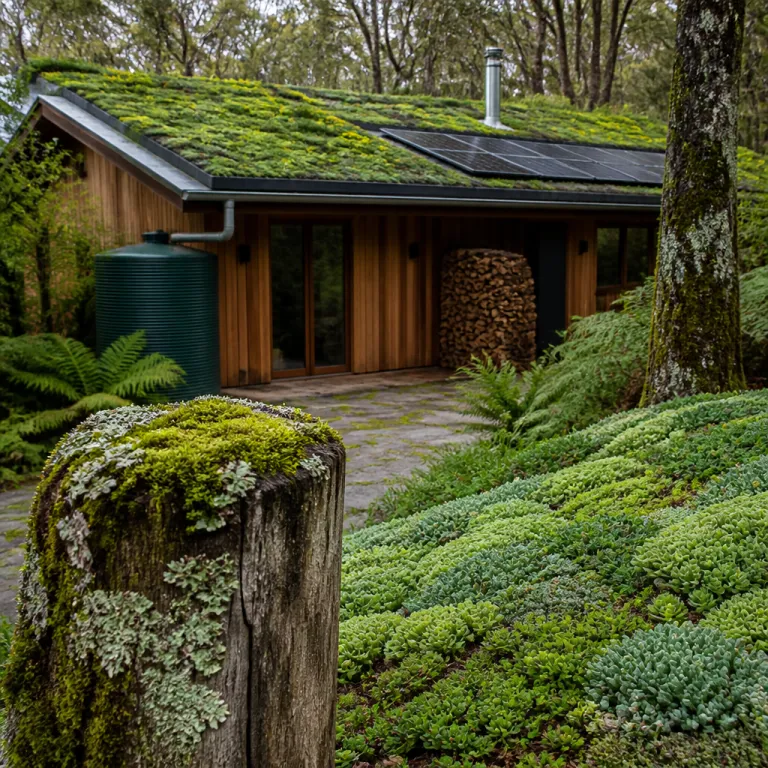
For a solo guest used to conventional Adelaide hotel stays, the first surprise is how self-contained an eco lodge Adelaide Hills property can be. You are not walking into a big lobby with a BreakFree North–style front desk or an Econo Lodge corridor of identical rooms. Instead, you might park on gravel beside a single cabin, carry your bag past rainwater tanks and solar panels, and step into a room that feels more like a minimalist studio than a traditional hotel room.
Off-grid in this part of South Australia usually means a mix of solar power usage, rainwater harvesting and some form of composting toilets. Operators work with local tourism boards and sustainable energy providers to integrate these systems without compromising comfort for guests. Basic amenities like beds, bathrooms and kitchens are still there, often powered by renewable energy, so the experience feels considered rather than rough.
CABN Hahndorf at The Cedars: art estate meets soft luxury
CABN Hahndorf is a clear example of an eco lodge Adelaide Hills stay that balances technology, comfort and genuine restraint. The nine solar-powered cabins sit on about 30 acres within The Cedars, the former home and studio of artist Sir Hans Heysen, which is one of the most atmospheric properties in South Australia. You feel the history immediately, yet the cabins themselves are stripped back, with a base price that reflects their premium but not excessive positioning compared with many luxury hotels in East Adelaide or North Adelaide.
Each CABN lodge is designed for one or two guests, which makes it ideal for a solo traveler who wants solitude rather than social energy. Inside, the room layout is simple but carefully considered, with a combustion heater, a compact kitchen and a bathroom that feels more spa than campsite, so the experience is closer to a discreet star hotel suite than a hut. Solar power runs the essentials, and while Wi‑Fi can be present, the emphasis is on looking out to the gums rather than scrolling through reviews of other hotels in Adelaide.
The estate connection is what elevates this eco lodge Adelaide Hills option beyond a standard cabin park. From your lodge you can walk to what is often described as Australia’s oldest public artist’s studio, following trails that pass paddocks and stands of old trees that were never cleared for development. Guided Aboriginal tours and cycling itineraries link the property to nearby Hahndorf and further south toward other Hills villages, so your stay becomes a layered cultural experience rather than just a night in a rural hotel.
For solo travelers planning a romantic weekend for two at another time, CABN Hahndorf also works as reconnaissance for a future Hills luxury escape. If you are mapping out a more classic couples itinerary, this detailed guide to a romantic weekend luxury escape in the Hills shows how an eco lodge stay can pair with cellar doors and fine dining. In that context, CABN’s restrained interiors and the sense of privacy around each lodge make it feel more luxurious than many larger hotels that advertise free parking and a long list of facilities.
From a sustainability perspective, CABN’s operators report extensive tree planting across their wider portfolio and avoided removing established trees during construction at The Cedars. That matters when you compare the property with a conventional Adelaide hotel where landscaping is often ornamental rather than regenerative. The cabins’ reliance on solar and rainwater also means that taxes, fees and utility costs are structured differently behind the scenes, which can help keep the visible base price competitive even when the experience feels firmly in the luxury bracket.
Lost Retreats and Earthship Ironbank: where off-grid becomes philosophy
If CABN Hahndorf represents the polished end of the eco lodge Adelaide Hills spectrum, Lost Retreats and Earthship Ironbank push further into experimental territory. Lost Retreats operates hand-crafted lodges across sites such as Mount Osmond and Mount Jagged, using recycled and reclaimed materials as a design starting point rather than a decorative afterthought. Earthship Ironbank, set in the broader Adelaide Hills region of South Australia, follows the Earthship model with thick walls, passive solar design and a strong emphasis on self-sufficiency.
At Lost Retreats, the lodge interiors feel like a design studio’s answer to the question of how to live lightly without sacrificing pleasure. Reclaimed timbers, upcycled fittings and carefully framed views create a sense of luxury that is more about space and silence than about a long amenities list that you might expect from larger hotels in Adelaide or Western Australia. You still get a comfortable room, a proper bed and a bathroom with hot water, but the experience is intentionally pared back, which suits solo guests who want to read, write or simply sit with a glass of cool-climate wine.
Earthship Ironbank goes further, using earth-packed tyres, solar panels and rainwater tanks to create a lodge that functions almost as a living demonstration of sustainable architecture. For a solo traveler, staying here is less like booking a standard hotel room and more like stepping into a working prototype of future housing in South Australia. The property uses composting toilets and waste reduction practices, so you become part of the system rather than a passive hotel guest, which can be a powerful experience if you are already questioning how conventional hotels handle water, energy and waste.
Planning a longer stay that strings together several eco lodges and more traditional hotels across the region can be easier with a structured itinerary. A detailed week by week winter itinerary for first timers helps you decide when to lean into off-grid solitude and when to return to a more social Adelaide hotel base. That rhythm matters, because a night in a fully self-sufficient lodge feels very different from a night in a central city hotel with room service and parking free under fluorescent lights.
Both Lost Retreats and Earthship Ironbank sit within driving distance of national park landscapes and the Mount Lofty Ranges, so you can pair your stay with hikes, wildlife watching and visits to cellar doors. Compared with a BreakFree North–style property in the city, you trade free parking and quick access to North Adelaide restaurants for gravel driveways, dark skies and the sound of wind in the trees. For many solo travelers, that trade is exactly what defines the best kind of eco lodge Adelaide Hills experience.
What “off-grid” really means: comfort, connectivity and the solo traveler
Off-grid is one of the most abused terms in the eco lodge Adelaide Hills marketing vocabulary. In practice, it covers everything from fully solar-powered cabins with rainwater tanks and composting toilets to standard hotels that simply encourage guests to reuse towels. For a solo traveler, understanding where a property sits on this spectrum is the difference between a restorative stay and a frustrating weekend of half-truths.
At the softer end, many eco lodges in the Adelaide Hills run on solar but still offer Wi‑Fi, premium bathtubs and high thread count linen, which feels close to a discreet luxury hotel experience. You might have free parking beside your lodge, a well-insulated room with a combustion heater and a small but well-equipped kitchen, so the only real compromise is being asked to think about water use. These properties often attract guests who usually stay in star hotel brands in East Adelaide or North Adelaide but want a different kind of weekend.
Further along the spectrum, some lodges in South Australia lean into genuine disconnection by limiting connectivity and relying more heavily on passive design. Here, you may find no television, patchy mobile reception and a stronger emphasis on outdoor spaces, which can be confronting if you are used to hotels where free cancellation and late check-out are the main booking incentives. For a solo traveler, that absence of distraction can be the point, especially if you are using the stay to reset between work trips to larger cities in Western Australia or other parts of Australia.
When you read reviews and booking pages, look for specific mentions of solar power, rainwater harvesting and waste systems rather than vague eco language. Properties that explain their methods clearly tend to be the ones where the eco lodge Adelaide Hills label reflects reality rather than a marketing add-on. If a hotel or lodge is transparent about how it manages taxes, fees and operational costs, you can also better understand why the base price might be higher than a city Econo Lodge but still fair for the level of independence and environmental care.
Pricing, taxes and value: eco-lodges versus conventional Hills hotels
Cost is where many travelers hesitate, because an eco lodge Adelaide Hills stay can appear more expensive than a standard hotel at first glance. The nightly rate often bundles in elements that city hotels itemise as extras, such as parking free beside your cabin, generous breakfast provisions and sometimes guided walks or on-site experiences. When you factor in these inclusions, the value equation shifts, especially for solo guests who actually use everything they pay for.
In conventional hotels around Adelaide and North Adelaide, the base price is usually just the room, with taxes and fees added at checkout and optional extras like breakfast, late checkout or valet parking layered on top. Eco lodges in the Adelaide Hills tend to be more transparent about total costs upfront, which means you see the impact of taxes, fees and any cleaning charges before you confirm your booking. That clarity helps when you compare a night in a cabin with a night in a central Adelaide hotel that advertises free cancellation but then adds multiple line items at payment.
Many eco lodges also offer flexible cancellation policies, though they may not mirror the instant free cancellation terms of large hotel chains. You might find a cancellation deadline that allows changes up to a certain number of days before arrival, which is reasonable for small properties that cannot absorb last-minute gaps as easily as big hotels. Reading the fine print matters, because a lodge that balances fair cancellation terms with realistic protection for its business is often the same kind of property that treats its land and resources with respect.
For solo travelers who usually stay in budget-friendly brands like Econo Lodge or mid-range options similar to BreakFree North, the step up to an eco lodge Adelaide Hills stay can feel like a splurge. Yet when you consider the privacy, the access to national park–style landscapes and the absence of resort-style noise, the per-night cost compares well with many urban luxury hotels. If you are planning a longer regional journey that includes Kangaroo Island or other parts of South Australia, mixing eco lodges with simpler hotels can keep overall costs balanced while still giving you several nights of elevated experience.
Reading between the green lines: certifications, greenwashing and how to choose
Not every property that markets itself as an eco lodge Adelaide Hills option has the same depth of commitment. Some hotels in the region adopt a few visible gestures, such as bamboo key cards or a token tree-planting program, while continuing business as usual behind the scenes. For a solo traveler who cares about impact, the challenge is separating genuine sustainability from polished greenwashing.
Start by looking for clear information about energy, water and waste systems on the property’s own site rather than relying solely on third-party reviews. Lodges that explain their use of solar panels, rainwater tanks and composting toilets, and that mention partnerships with environmental organisations or local tourism boards, usually have more substance than those that simply use the word eco in their name. When a hotel or lodge in the Adelaide Hills is open about its methods, it becomes easier to trust that your stay supports local ecosystems rather than just marketing budgets.
Certifications can help, but they are not the only marker of quality in South Australia’s eco accommodation scene. Some small operators lack the resources to pursue formal labels yet still run their properties with more care than larger hotels that can afford audits and logos. As you compare options, pay attention to how each eco lodge Adelaide Hills property describes its relationship with the land, whether that is through reforestation, habitat protection or thoughtful integration with nearby national park areas.
One practical tip is to ask direct questions before booking, especially about how the property handles peak demand periods such as long-weekend stays or popular holiday dates. A lodge that is willing to discuss its capacity limits, its approach to taxes, fees and its stance on free cancellation versus partial refunds is likely to be equally transparent about its environmental practices. Over time, this kind of critical, informed demand from guests encourages more hotels across Australia, from Western Australia to Kangaroo Island, to move beyond surface-level sustainability claims.
Why eco-lodges reward solitude: the Adelaide Hills as a solo sanctuary
Eco lodges in the Adelaide Hills are particularly well suited to solo travelers because they frame solitude as a luxury rather than a gap between couples bookings. In a region where many hotels lean into romantic marketing, a single guest at an eco lodge Adelaide Hills property is simply another person seeking quiet and connection with place. That shift in attitude changes everything from how staff interact with you to how you structure your days.
Instead of lobby bars and shared lounges, you get decks that look over valleys, walking trails that start at your door and the option to cook simple meals with local produce. For some, that feels more indulgent than any hotel spa, especially when the only sounds at night are wind in the trees and distant farm noises rather than corridor chatter. If you want occasional human contact, cellar doors, farm shops and village cafés across the Adelaide Hills provide gentle social touchpoints without the intensity of a city hotel lobby.
Using an eco lodge Adelaide Hills stay as the anchor for a wider exploration of the region works well for independent travelers. You can base yourself for several nights at a property near Mount Lofty or Hahndorf, then take day trips to lesser-known stone villages and heritage towns that most visitors bypass. A detailed guide to mountain stone villages the highway misses shows how easily an off-grid lodge stay can be combined with slow drives and short hikes.
Because these lodges are usually small, with only a handful of rooms or cabins, you avoid the sense of being one of hundreds of anonymous guests that often comes with larger hotels in Adelaide or other parts of Australia. Staff tend to remember your name, your coffee preference and whether you are heading to a national park trail or a long lunch at a nearby winery. That level of attention, combined with the physical separation of each lodge or cabin, creates a feeling of being looked after without being watched, which is rare even in high-end hotels across South Australia and Western Australia.
Key figures on eco-lodges and sustainable stays
- Recent sustainable travel surveys commonly report that a majority of travelers now actively seek eco-friendly accommodations, which aligns with the growing number of eco lodge Adelaide Hills properties adopting solar power and rainwater systems. For example, Booking.com’s 2023 Sustainable Travel Report notes that more than 70% of respondents expressed a preference for greener stays; always check the latest report year and methodology when quoting specific percentages.
- CABN’s portfolio has expanded to multiple cabins across several regions in South Australia, reflecting strong demand for small-scale, off-grid stays rather than large hotels. Exact numbers change over time, so refer to CABN’s own site for current figures and specific cabin counts at Hahndorf, McLaren Vale and other locations.
- Off-grid lodges in the Adelaide Hills typically limit guest numbers to preserve water and energy capacity, which means fewer rooms than a comparable star hotel but a higher ratio of land to guests.
- Many eco lodges in Australia operate year round, with winter stays in the Adelaide Hills often priced slightly lower than peak summer periods, offering good value for solo travelers who can be flexible.
- As a practical benchmark, solo guests can expect indicative nightly rates in the Adelaide Hills to start around the mid-AUD 200s for simpler off-grid cabins and rise to AUD 350–450 or more for architect-designed retreats with spa-style bathrooms and premium views, depending on season and inclusions.
FAQ about eco-lodges in the Adelaide Hills
What amenities can I expect at an eco-lodge in the Adelaide Hills ?
Most eco lodge Adelaide Hills properties offer comfortable beds, private bathrooms and basic kitchens, with power supplied by solar and water from rainwater tanks. Heating is often via efficient combustion stoves, and some lodges include premium touches like deep baths and high-quality linens. You should not expect a full hotel-style service roster, but the essentials are usually delivered at a luxury level.
Are off-grid eco-lodges suitable for first time solo travelers ?
Yes, provided you choose a property that matches your comfort with remoteness and limited connectivity. CABN Hahndorf, Lost Retreats and Earthship Ironbank each offer different levels of disconnection, from solar-powered cabins with Wi‑Fi to more unplugged lodges. Reading detailed reviews and asking direct questions before booking will help you select the right fit.
How do eco-lodges in the Adelaide Hills manage waste and water ?
Many eco lodge Adelaide Hills operators use rainwater harvesting for supply and composting toilets or advanced septic systems for waste. Greywater is often treated on site and used for irrigation, reducing strain on local infrastructure. These systems are usually invisible to guests day to day, but they significantly lower the environmental impact compared with conventional hotels.
Do eco-lodges offer flexible cancellation policies ?
Policies vary, but many lodges provide reasonable free cancellation up to a set deadline before arrival. Because they have fewer rooms than large hotels, they cannot always match the last-minute flexibility of big chains in Adelaide or Kangaroo Island. Always check the specific terms on taxes, fees and refunds before confirming your stay.
How do eco-lodges compare in price with standard Adelaide hotels ?
Nightly rates at an eco lodge Adelaide Hills property can be similar to or slightly higher than mid-range hotels in Adelaide once you factor in inclusions like parking free, breakfast provisions and on-site experiences. The base price often reflects the true cost of running off-grid systems and maintaining larger landholdings with fewer guests. For many solo travelers, the combination of privacy, landscape access and lower environmental impact justifies the premium over a standard Adelaide hotel stay.
Are there recognised sustainability certifications I can look for ?
Some Adelaide Hills retreats participate in programs such as Ecotourism Australia’s ECO Certification or EarthCheck, while others follow local council sustainability guidelines without formal labels. Checking whether a lodge mentions recognised schemes, or clearly explains its own standards, can help you compare options and avoid properties that rely on vague green claims.