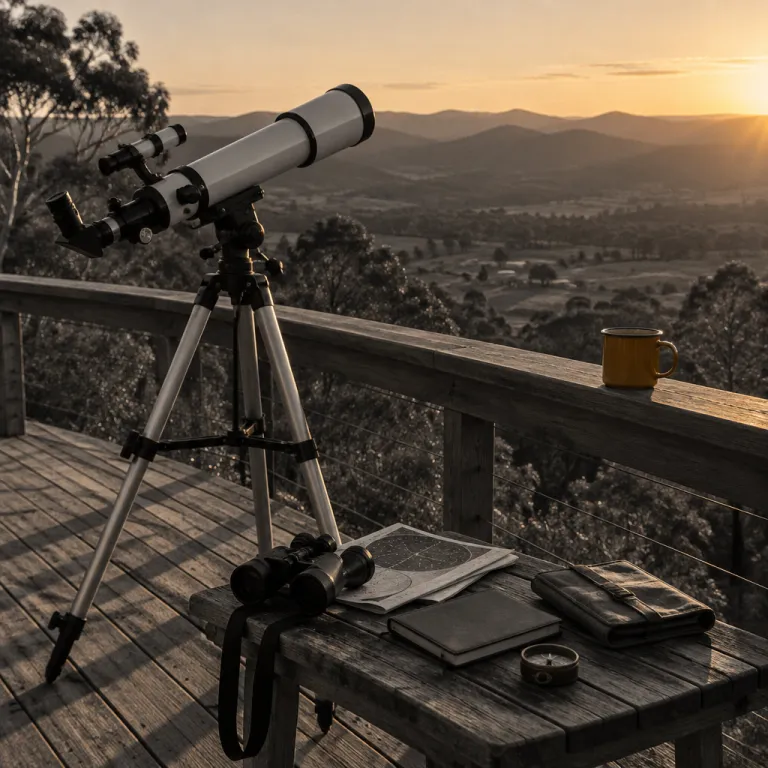
Why the Adelaide Hills night sky rewards those who stay over
Once commuter traffic slides back toward Adelaide, the hills regain their hush. Elevation, scattered townships and distance from the central glow of south Adelaide combine to create a noticeably darker sky than you will ever see from the plains. For couples weighing a quick drive home against a night in carefully chosen accommodation, the quiet shift from sunset to full dark is the moment that justifies staying.
The best places for Adelaide Hills stargazing accommodation sit on ridgelines or open saddles, where the view runs across a valley rather than into a neighbour’s porch light. This higher location reduces local light pollution and lets the night sky feel wide, even though you remain within easy reach of park Adelaide trailheads and cellar doors. You are not chasing a remote international dark sky reserve here, but you are stepping far enough from the city to feel the constellations sharpen.
Think of the hills as the first rung on a south Australia dark sky ladder that eventually leads to the River Murray, the Flinders Ranges and Kangaroo Island. Those regions hold the formal sky reserve and international dark sky park titles, while the Adelaide Hills offer a softer, more layered experience that pairs stars with wine and fireplaces. Stay one weekend in the hills, then plan a longer river Murray or Fleurieu Peninsula road trip once you understand how much a truly dark night can change your sense of place.
Choosing Adelaide Hills stargazing accommodation with a real outlook
Not every luxury stay in the Adelaide Hills is created equal once the night arrives. For meaningful Adelaide Hills stargazing accommodation, you want a property where the main terrace, bath or bed faces open sky rather than a car park or internal courtyard. A romantic stay begins with the simple ability to step outside in slippers, glass in hand, and look up without a floodlight in your eyes.
Scan maps for accommodation that sits on the edge of a national park, conservation park or working vineyard, rather than in the tightest part of a village. A location near the upper Onkaparinga River or the gentler folds above the Murray River can feel surprisingly wild once the last day trippers have left Adelaide. Pair that with thoughtful lighting design, where paths are low lit and motion sensors are used sparingly, and you gain a night sky that feels close to a dark sky site without leaving comfort behind.
Spring stays bring their own rhythm, with cool evenings that still call for a jacket on the deck. If you are planning a shoulder season escape, read guides on what a spring stay among the Adelaide Hills vines actually looks like before you book, so you understand how quickly the temperature drops after sunset. Those cooler nights are perfect for couples who like to juggle house comforts with short, bracing walks under the stars between courses or between the outdoor hot tub and the fire.
Balancing darkness, comfort and eco credentials in the hills
There is a growing cluster of eco lodges in the Adelaide Hills that promise both sustainability and a strong connection to the night sky. When you assess these properties for Adelaide Hills stargazing accommodation, look beyond the marketing language and ask how they manage exterior lighting, window orientation and energy use after dark. True eco design in south Australia should reduce unnecessary light pollution while still keeping paths safe and suites warm.
Some of the best places for couples sit on bush fringes where the tree line frames the sky, giving you a natural proscenium arch for the Milky Way. These sites often feel more intimate than open paddocks, and they can rival the sense of immersion you find near the River Murray or on the Fleurieu Peninsula, even without the formal status of a sky reserve. If you are curious about what off grid actually delivers in terms of comfort, power reliability and heating on a cold night, read a detailed eco lodge guide before committing to a long weekend.
Luxury in this context is not about marble for its own sake, but about how well a property lets you move between fire, bath and balcony without breaking the spell of the night. A well designed site will let you dim interior lights, step straight from bed to deck and feel the dark sky wrap around you, rather than fighting glare from neighbouring accommodation. That balance is what separates a pleasant rural stay from a genuinely memorable night sky experience.
How the Adelaide Hills compare with South Australia’s darker icons
Couples serious about astronomy often ask whether they should skip the Adelaide Hills and head straight for the River Murray dark sky reserve or the Flinders Ranges. The answer depends on whether you want a pure observing mission or a layered weekend that mixes wine, food and a gentler night sky. The hills sit in the middle of south Australia’s spectrum, darker than suburban Adelaide yet brighter than the most remote national park sites.
Stay near the eastern escarpment and you will feel the pull of the Murray River corridor, where towns such as Mannum and Swan Reach act as gateways to the formal River Murray International Dark Sky Reserve. Those river Murray landscapes deliver some of the darkest skies in the state, but they lack the density of cellar doors and restaurants that make an Adelaide Hills weekend so easy. Think of a hills retreat as your training ground before you commit to a full dark sky itinerary that might also include Kangaroo Island or the Fleurieu Peninsula coast.
If you are building a longer itinerary, one smart pattern is to start with two nights in Adelaide Hills stargazing accommodation, then drive via Mannum to a river Murray lodge and finish in the Flinders Ranges or on Kangaroo Island. Each step takes you further from park Adelaide and its glow, so you can feel the night sky deepen as you go. For couples who care as much about hospitality standards as about constellations, this staged approach keeps the experience comfortable while still chasing the darkest possible sky.
Designing a romantic night under the Adelaide Hills sky
The most rewarding Adelaide Hills stargazing accommodation stays are not about ticking off constellations, but about how the whole evening unfolds. Start with an unhurried dinner, ideally in house, so you are not driving narrow hills roads back from south Adelaide after a long tasting day. A slow meal by the fire, followed by a short walk to your deck or outdoor tub, turns the night sky into a natural extension of the dining room.
Ask your host about the best places on the property to sit once it is fully dark, because the most obvious terrace is not always the best viewing site. Some locations have a small lawn or a corner near a stand of gums where the view clears and the Milky Way arches over the valley, even if you are nowhere near a formal national park. Bring layers, even in spring, as the temperature can drop quickly in the hills and you will enjoy the experience more if you are not rushing back inside after five minutes.
For couples who like structure, consider timing your weekend with a new moon phase, when the night sky is at its darkest and the contrast with Adelaide’s glow is most dramatic. If you later decide to chase the full international dark sky experience along the River Murray or in the Flinders Ranges, you will already understand how to juggle house comforts with long stretches outdoors. And if you ever benchmark global standards of service, you may find that the quiet, attentive hosting in the hills holds its own against some of the most lauded Australian luxury escapes.
FAQ
Is the Adelaide Hills dark enough for serious stargazing?
The Adelaide Hills are significantly darker than central Adelaide and most of south Adelaide’s suburbs, especially on ridgelines away from main roads. While the region does not match the River Murray International Dark Sky Reserve or the darkest parts of the Flinders Ranges, it offers a very satisfying night sky for casual and intermediate observers. For many couples, the balance of accessible accommodation, dining and reduced light pollution makes the hills a practical first step into dark sky travel.
Which areas of the Adelaide Hills offer the best night sky views?
Look for accommodation near the eastern escarpment, above the Murray River corridor, or on open vineyard slopes with minimal neighbouring development. Properties on the edge of conservation areas or near smaller townships, rather than in dense village centres, usually enjoy a darker sky. Always ask hosts about their exterior lighting and whether there is a dedicated viewing site on the grounds.
Do I need a telescope for an Adelaide Hills stargazing weekend?
A telescope is not essential for a rewarding Adelaide Hills stargazing accommodation stay. Under a reasonably dark sky, the Milky Way, major constellations and bright planets are clearly visible to the naked eye, and a simple pair of binoculars can enhance the experience. If you are new to astronomy, start with unaided viewing and only invest in equipment once you know you enjoy long nights outside.
What is the best season for stargazing in the Adelaide Hills?
Clear, cool nights are common from late autumn through early spring, when humidity is lower and the sky often appears sharper. Spring offers a pleasant balance of crisp evenings and comfortable daytime temperatures, though you will still need warm layers after dark. Summer can bring balmier nights, but also more haze and occasional heat related discomfort during extended viewing sessions.
How does an Adelaide Hills retreat compare with river or coastal stays for stargazing?
Adelaide Hills retreats offer a mix of dark sky, short travel time from Adelaide and strong food and wine options, which suits many couples. River Murray and Swan Reach stays within or near the River Murray International Dark Sky Reserve generally provide darker conditions, while coastal locations on the Fleurieu Peninsula or Kangaroo Island can be excellent when you move away from town centres. The hills are often the most convenient choice for a short weekend, with river and coastal sites better suited to longer, more dedicated stargazing trips.