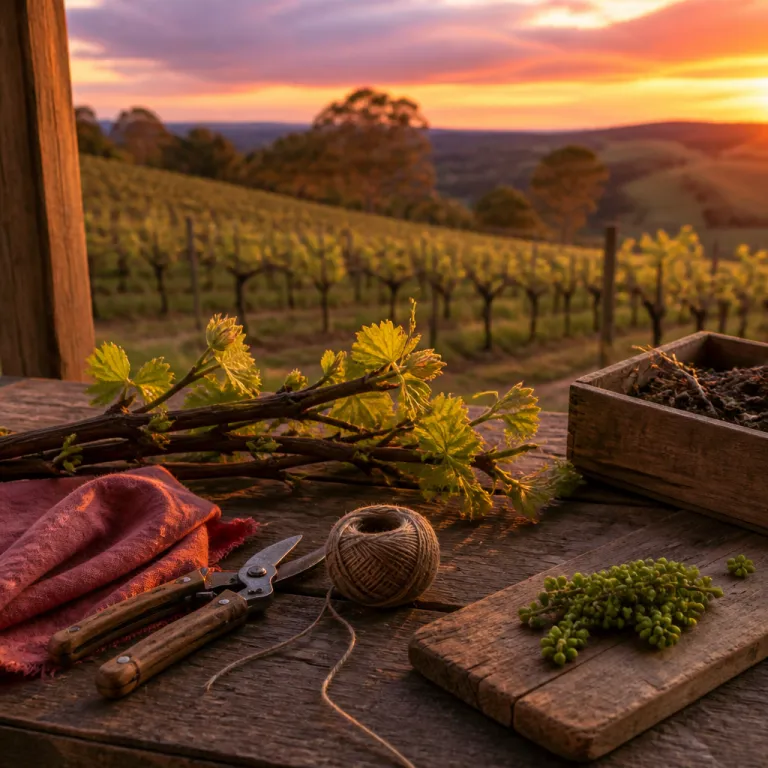
Why budburst changes a spring stay in the Adelaide Hills
Budburst is the quiet drama that turns an Adelaide Hills vineyard from a winter sketch into a living canvas. As the first leaves push through on the vines, the wider wine region shifts from muted browns to layered greens that frame every view from your suite or terrace. For couples planning an Adelaide Hills vineyard spring escape, this is when a stay stops being about static pictures and starts tracking the daily rhythm of a working landscape.
Across the hills around Adelaide, you will see parallel rows of vines softening as buds swell, while nearby apple and pear orchards in this cool climate region burst into blossom. The contrast between bare canes and new growth is especially striking in south Australia, where the light is crisp, the air still carries a hint of winter, and the first sauvignon blanc shoots signal the new season. A well chosen vineyard Adelaide estate lets you watch this change from your balcony with a glass of pinot noir or a bright Hills wine in hand.
Spring also reshapes how you move through the wineries Adelaide travellers love. Cellar doors feel calmer than in high summer, so a wine tasting at a leading winery can stretch into a longer conversation about the vineyard, the valley and the wines that define this south Australian region. When you book through a curated luxury platform, you can align your Adelaide Hills vineyard spring dates with budburst at specific wineries in the region Adelaide travellers rate highly, rather than treating the Hills as a simple Adelaide day trip.
Choosing where to stay: working estates versus vineyard views
In an Adelaide Hills vineyard spring, the most important booking decision is whether you want to sleep on a working estate or simply look at vines from a distance. A working winery stay places you among tractors, pruners and early season canopy work, while a vineyard view lodge on a nearby ridge trades immersion for quiet and wide valley panoramas. Couples who enjoy the theatre of a cellar door in motion tend to prefer the first option, while those chasing stillness and long, slow mornings often choose the second.
In the Lenswood area of the hills Adelaide travellers find a mix of both styles, with orchard framed cabins and vineyard suites that back directly onto rows of vines. If you are drawn to walking between apple trees in blossom after a late breakfast, look at properties near the Lenswood trails and use a specialist guide to the apple orchard walks and lodges. These routes sit within easy driving distance of key cellar doors, so you can pair a morning hike with an afternoon wine tasting at a nearby winery that focuses on cool climate pinot noir and sauvignon blanc.
Working estates in the Adelaide Hills wine region often give guests structured access to the vineyard and the cellar, especially during the quieter Adelaide Hills vineyard spring period. You might be invited to join a free short tour of the vines, taste a tank sample in the cellar with the winemaker, or sit in on a focused drink and tasting flight that compares different hills wine parcels. Properties aligned with serious wineries in south Australia, including those with links to Barossa Valley or McLaren Vale producers, usually balance this access with enough privacy that your day still feels like a retreat.
Inside the vineyard: what actually happens in spring
From a distance, budburst in an Adelaide Hills vineyard spring looks like a soft green haze, but up close the work is precise. Vignerons walk the rows each day, checking for even budbreak, assessing frost damage and planning how to guide the new shoots that will carry the season’s wines. When you stay on a vineyard Adelaide estate, you can often watch this from your window at first light, then step outside to see how the same row has changed by late afternoon.
On many south Australian properties, spring is when teams begin shoot thinning, removing excess growth so the remaining bunches ripen evenly and the wine retains its cool climate focus. At estates linked to serious labels such as Shaw + Smith or Golding Wines, this work underpins the clarity you taste later in their sauvignon blanc and pinot noir. If your host offers a structured wine tasting, ask to compare a current release with an older vintage from the same wine region, because that contrast shows how a single Adelaide Hills vineyard spring can echo through the cellar for years.
Luxury travellers who split their time between the Adelaide Hills, Barossa Valley and McLaren Vale often notice how each region handles this season differently. Barossa Valley vineyards, for example, usually sit at lower altitude than the hills Adelaide slopes, so budburst can arrive earlier and the valley floor may already look lush when the higher Adelaide Hills are just waking up. For a deeper perspective on how these wine regions connect within south Australia, many couples pair their Hills stay with a design led outback escape and use guides such as the review of Longitude 131 for Adelaide Hills travellers to plan the broader arc of their trip.
Weather, packing and pairing your stay with cellar doors
Spring in the Adelaide Hills is beautiful and changeable, which matters when you are packing for an Adelaide Hills vineyard spring stay. Mornings can feel crisp enough for a wool layer, while by mid afternoon the sun warms the valley and you will want lighter clothes for walking between cellar doors. Plan for cool evenings on the terrace with a drink in hand, and bring a jacket that can handle a brief south Australian shower while you cross the courtyard to dinner.
Because the region sits higher than Adelaide itself, temperatures in the hills Adelaide area often run several degrees cooler than on the plains. That cooler air is part of why the wine region excels at pinot noir and sauvignon blanc, and why the light feels so clean in your pictures of vines, orchards and distant valley folds. For couples, this means packing layers, comfortable shoes for a day that might include both a vineyard walk and a long cellar tasting, and perhaps a scarf for late night strolls back to your suite.
Spring is also the moment to visit cellar doors before the summer crowds arrive from across Australia Adelaide and beyond. Aim for midweek if you can, when wineries Adelaide wide tend to be quieter and staff have more time to talk through specific wines, from structured Hills wine reds to mineral whites. For guidance on arranging more private sessions, including the kind of off list experiences that never appear in standard listings, use our detailed guide to booking private Adelaide Hills tastings and align those appointments with the days you plan to stay closest to the vines.
FAQ
When is the best time in spring to book an Adelaide Hills vineyard stay ?
For most couples, the sweet spot of an Adelaide Hills vineyard spring runs from early to mid season, when budburst is visible but the vines have not yet become dense with foliage. During this window, you see both the structure of the vineyard and the fresh green growth that defines the wine region. It also tends to be quieter than late spring, so cellar doors across south Australia feel more relaxed.
How many days should we spend in the Adelaide Hills wine region ?
A minimum of two nights lets you experience both sunrise and sunset over the vines, but three to four days gives you time to balance winery visits with walks and long lunches. With that duration, you can explore several cellar doors, visit a neighbouring valley such as Barossa Valley or McLaren Vale, and still enjoy slow mornings at your estate. Many travellers pair an Adelaide Hills vineyard spring stay with a short stop in Adelaide itself at the beginning or end of the trip.
Do we need a car to enjoy wineries in the Adelaide Hills ?
Having a car makes it easier to move between wineries Adelaide wide, especially when cellar doors are spread across different parts of the hills Adelaide landscape. Some luxury properties arrange private drivers for a full day of wine tasting, which is ideal if you plan to drink more than a single glass at each winery. If you prefer not to drive at all, choose an estate with an on site cellar door and one or two additional wineries within a short transfer.
What should we expect from wine tastings during spring ?
During an Adelaide Hills vineyard spring, tastings tend to feel more personal than in peak summer, with staff able to spend longer explaining specific wines and the vineyard work happening outside. You can usually book structured flights that highlight cool climate sauvignon blanc and pinot noir, and some cellar doors may offer a free top up of a new release if the room is quiet. Always check whether a tasting fee is redeemable against a bottle purchase, as policies vary across the region Adelaide visitors explore.
How does the Adelaide Hills compare with Barossa Valley and McLaren Vale for a spring trip ?
The Adelaide Hills offers cooler temperatures, steeper slopes and a more forested feel than Barossa Valley or McLaren Vale, which makes an Adelaide Hills vineyard spring especially atmospheric. Barossa Valley excels at rich reds and broad valley views, while McLaren Vale combines coastal light with serious wineries and food focused cellar doors. Many south Australian itineraries weave all three wine regions together, but couples seeking crisp air, orchard blossom and intimate vineyard stays usually start in the Hills.